
FARBWISSENSCHAFT
Dynamic Range: The Eye, the Sensor & HDR
THE EYE VS. THE SENSOR: SAME SCENE, TWO CAPTURE WINDOWS
EYE: GLANCES WHERE YOU EXPOSE, RE-EXPOSES, AND STILL HOLDS BOTH ENDS
THE SAME ROOM THROUGH EACH: THE PICTURES FOLLOW THE CHART ABOVE 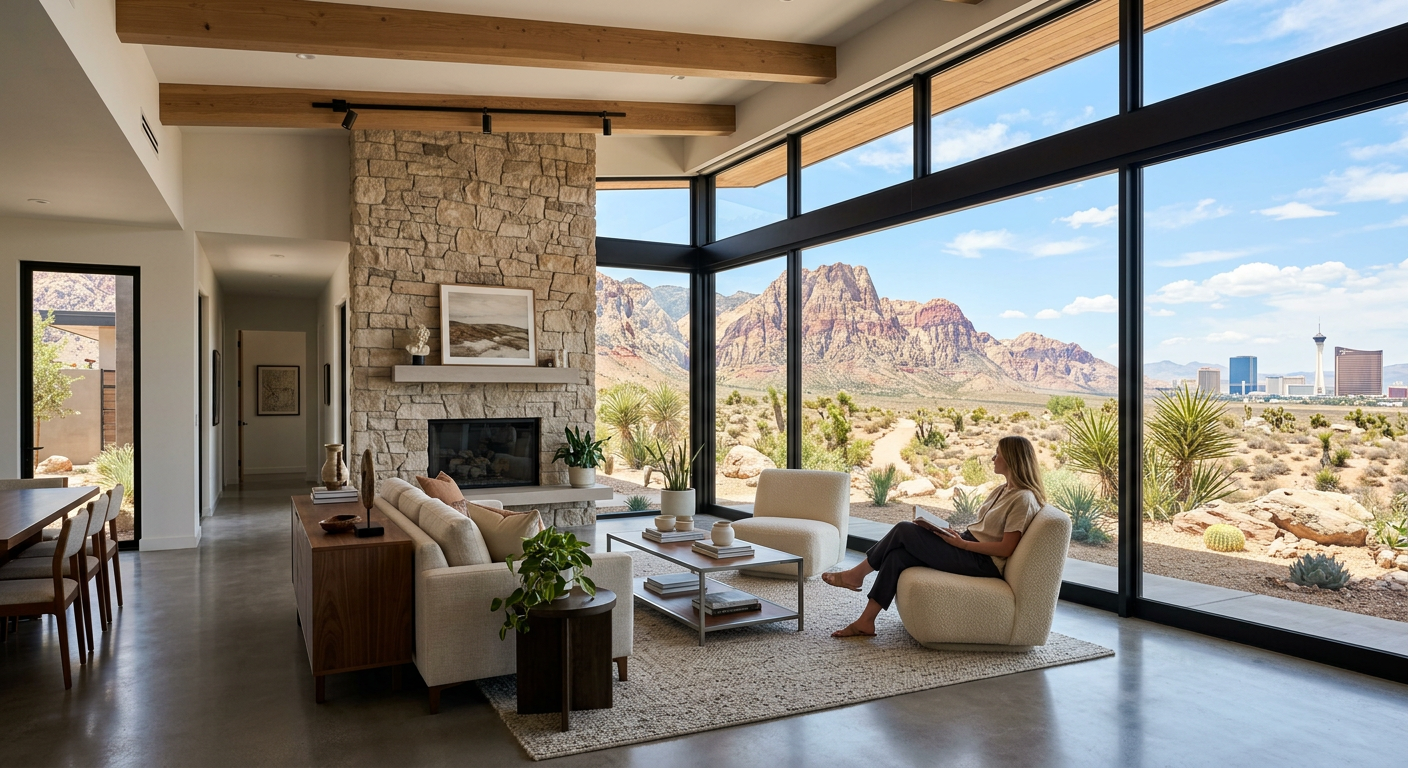 EYE: BOTH ENDS HELD HUMAN EYE: RE-EXPOSES EVERY GLANCE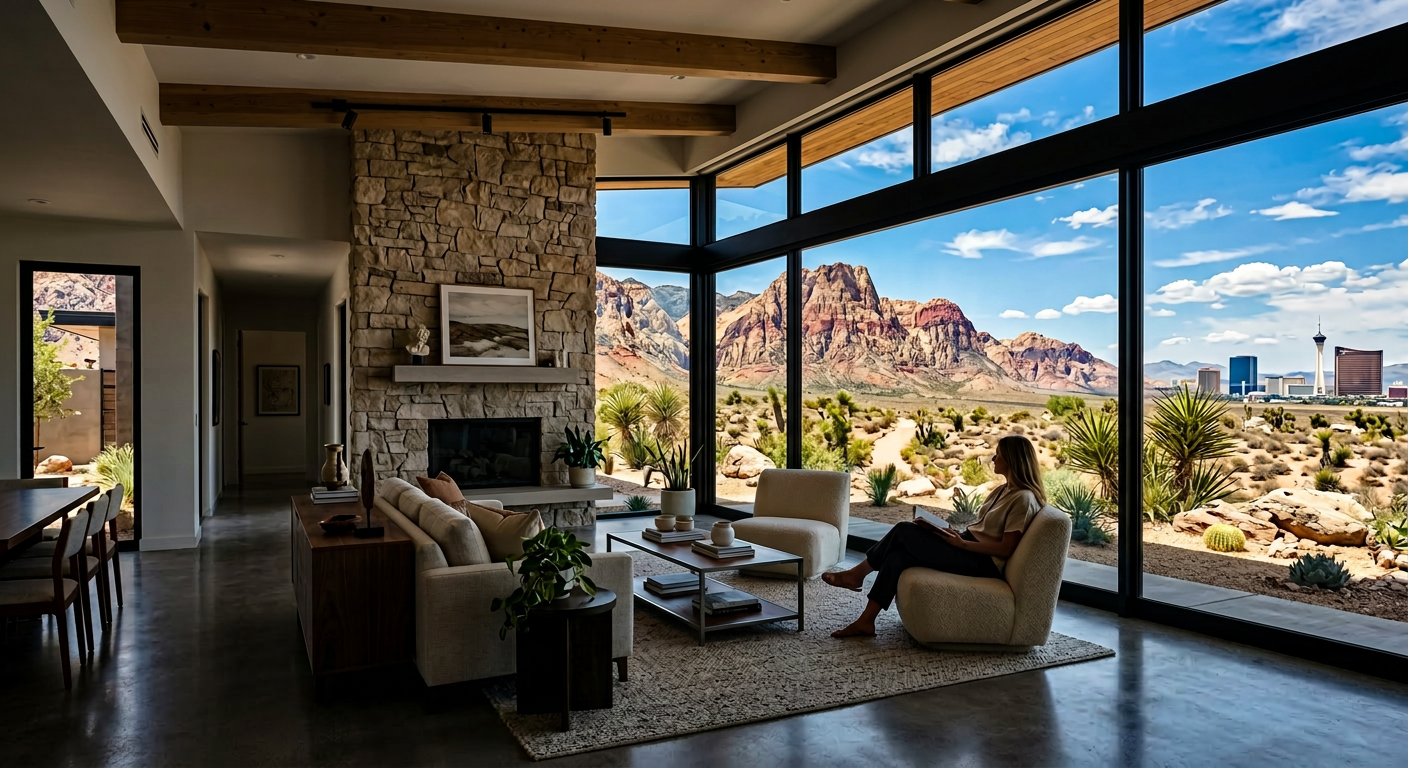
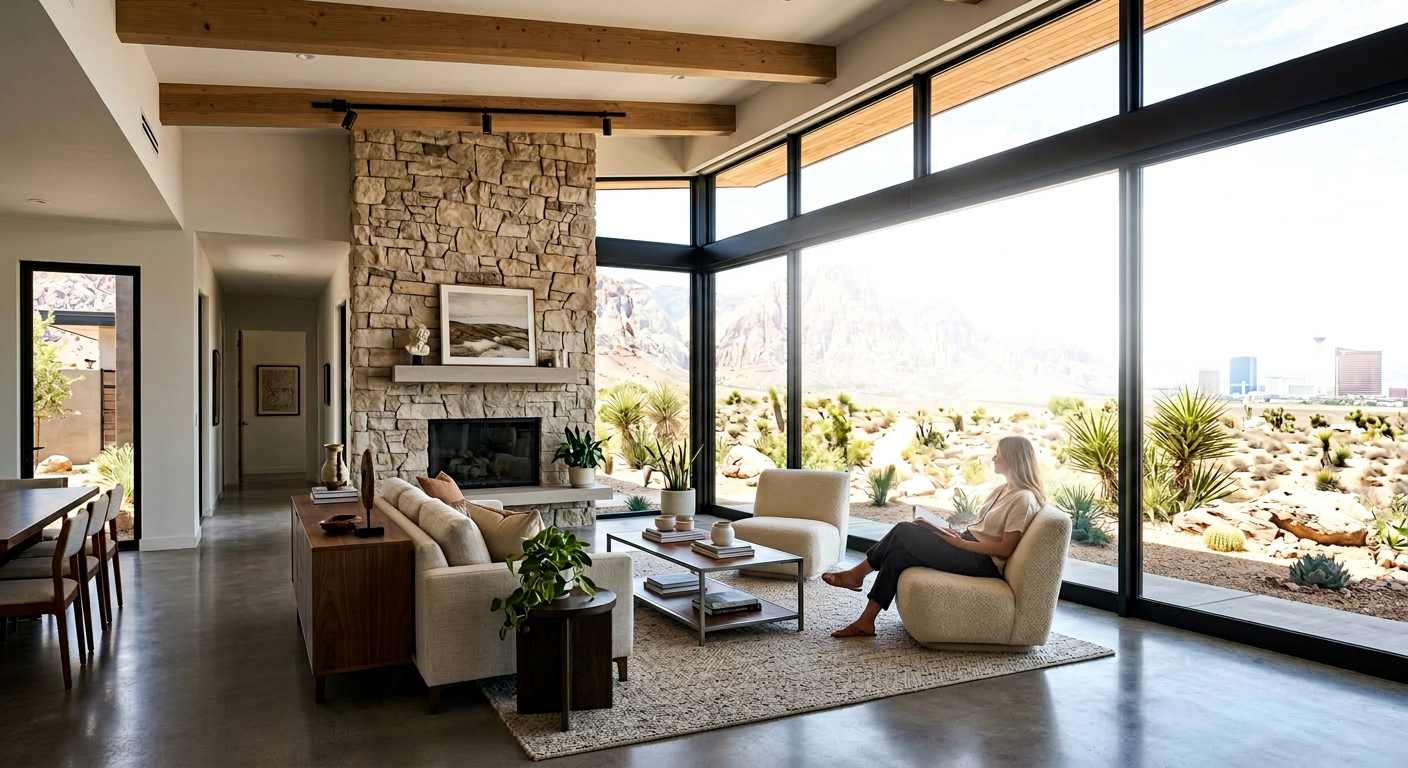 MOVE SENSOR EXPOSURE OR THE EXPOSE FOR INTERIOR / WINDOW BUTTONS AND THE RIGHT PICTURE RE-EXPOSES WITH THE CYAN WINDOW. PICK A SENSOR WIDE ENOUGH TO HOLD THE WHOLE SCENE AND IT MATCHES THE EYE. THE EYE VERSION IS A FICTION NO SINGLE FRAME EVER CAPTURED: YOUR BRAIN FUSES IT FROM RE-EXPOSED GLANCES.
EYE: BOTH ENDS HELD CAMERA SENSOR
SENSOR WINDOW CONTRAST RATIO
EYE · ONE GLANCE~13 STOPS EYE · ADAPTED~24 STOPS
VERTIEFUNG
What a stop is, and why we count in them+
A stop is a doubling or halving of light, a factor of 2. It is the natural unit because vision and sensors respond to light ratios, not absolute differences: the jump from 1 to 2 cd/m² looks like the same step as 1000 to 2000. The name is literal: the f-number (f/1.4, f/2, f/2.8, f/4…) steps by √2 in aperture diameter, which halves area and thus light each full stop. Dynamic range is just how many of these doublings fit between the darkest tone that isn't buried in noise and the brightest that isn't clipped: DR (stops) = log₂(brightest ÷ darkest). Nine stops = a 512:1 ratio; twenty stops ≈ a million to one.
The eye's 24 stops: a moving window+
The famous “~24 stops” of human vision is adaptive range (from a moonless night to a snowfield in sun), reached over minutes via the iris, rod/cone switching, and photochemical adaptation. At any single instant, fixed on one point, you see far less: roughly 10–14 stops locally, extended because your eyes and brain constantly re-expose as you glance around, fusing a scene no single “frame” ever captured. That is exactly what the warm window in the comparison does: aim the exposure and it glances there too, re-exposing and holding each end in turn. A camera shoots one instant with one exposure, so what matters for capture is the instantaneous window, and closing the gap to it is what the last two decades of sensor design have been about.
Legacy vs. modern sensors+
Early video and consumer digital held roughly 6–10 stops; the noise floor was high and highlights clipped hard. Film negative managed a graceful ~13 with a soft shoulder. Modern cinema cameras (ARRI ALEXA, RED, VENICE) measure ~15–17 stops by lowering read noise and, increasingly, using dual-gain sensor architectures that sample each photosite through two conversion gains and merge them, widening the capture window at both ends. The ceiling is physics: photon shot noise sets the floor, photosite full-well capacity sets the top. Bigger, cleaner wells and smarter readout are how the number climbs. A smartphone's single frame still sits near 12 stops; its night-mode magic is computational multi-capture, not a wider window.
Why the window blows out+
Stand in a room with a sunlit window and the scene spans ~19 stops: deep shadow under the table near 1 cd/m², a lit face around 50, the wall a little higher, the view outside at 5,000–10,000+. Your eyes roam and re-expose, so both ends read fine. A camera cannot: it picks one exposure, and its capture window (its DR) sits somewhere on that range. Expose for the face and the window sits far above the top of the sensor's box: it clips to pure white, detail gone. Expose for the view outside and the interior drops below the noise floor: crushed to black. Slide SENSOR EXPOSURE and watch the cyan window move; whatever pokes above its top or falls below its floor is lost. This is the single most common on-set dynamic-range failure, and why we light interiors up and pull exteriors down to drag both ends toward one window.
Toward eye-like sensors+
The frontier is making a sensor behave less like one fixed window and more like the eye's adaptive, per-region system. Several paths are converging: dual- and multi-gain readout (already shipping) extends both ends; stacked and quantum-dot / organic photodiode sensors promise deeper full wells and lower noise; per-pixel or spatially-varying exposure lets bright and dark regions integrate differently, echoing local adaptation; and computational multi-capture fuses several reads into one frame. The target is a clean instantaneous 20+ stops: enough to hold that interior-and-window scene in a single exposure, the way your eye effectively does. Select FUTURE SENSOR and watch its window nearly match the eye's roaming coverage: almost nothing clips.
Where HDR ties it together+
Capturing wide DR is only half the chain: you have to store and show it, and that is what HDR does. A wide-DR sensor records the scene; the PQ or HLG transfer function encodes those stops efficiently (PQ's curve was fit to how many stops the eye can actually distinguish); and an HDR display reproduces more of them: an SDR screen tops out near 100 cd/m² (~6–10 usable stops) while HDR reaches 1,000–4,000+, opening the highlight end back up. It also connects to the color volume : dynamic range is the vertical (luminance) axis of that model; more stops make a taller volume. Capture the range, encode it with the right curve, show it on a display that can hold it: that is the whole HDR pipeline in one sentence.
In practice: protecting the range+
On set: expose to protect the highlights you can't recover (clipped is gone; shadow noise can be lifted), and read the range with tools that show it (false color, zebras, waveform, and a raw histogram), not the eye alone, which re-adapts and lies. Work scene-referred (log or raw) so the full captured range survives into the grade rather than being baked to a display range too early. And the reason any of this is trustworthy downstream is measurement: a monitor only shows the stops it is calibrated to show. Verifying a display's real black level, peak, and EOTF tracking is how you know the range you shot is the range you're seeing. Kalibrierung buchen →
WAS NICHT GEMESSEN WIRD, IST NICHT KALIBRIERT. · Farbvolumen-Explorer · Transferfunktions-Explorer · Signalbereich-Explorer · Planck-Locus-Explorer · MacAdam-Ellipsen-Explorer · ΔE2000 vs. ΔE-ITP Explorer · Lichtqualität messen · Eine Geschichte der Farbe · SPD & CRI · INSTRUMENTS · CIE & Its Diagrams · Anatomy of a LUT · LUT Inspector