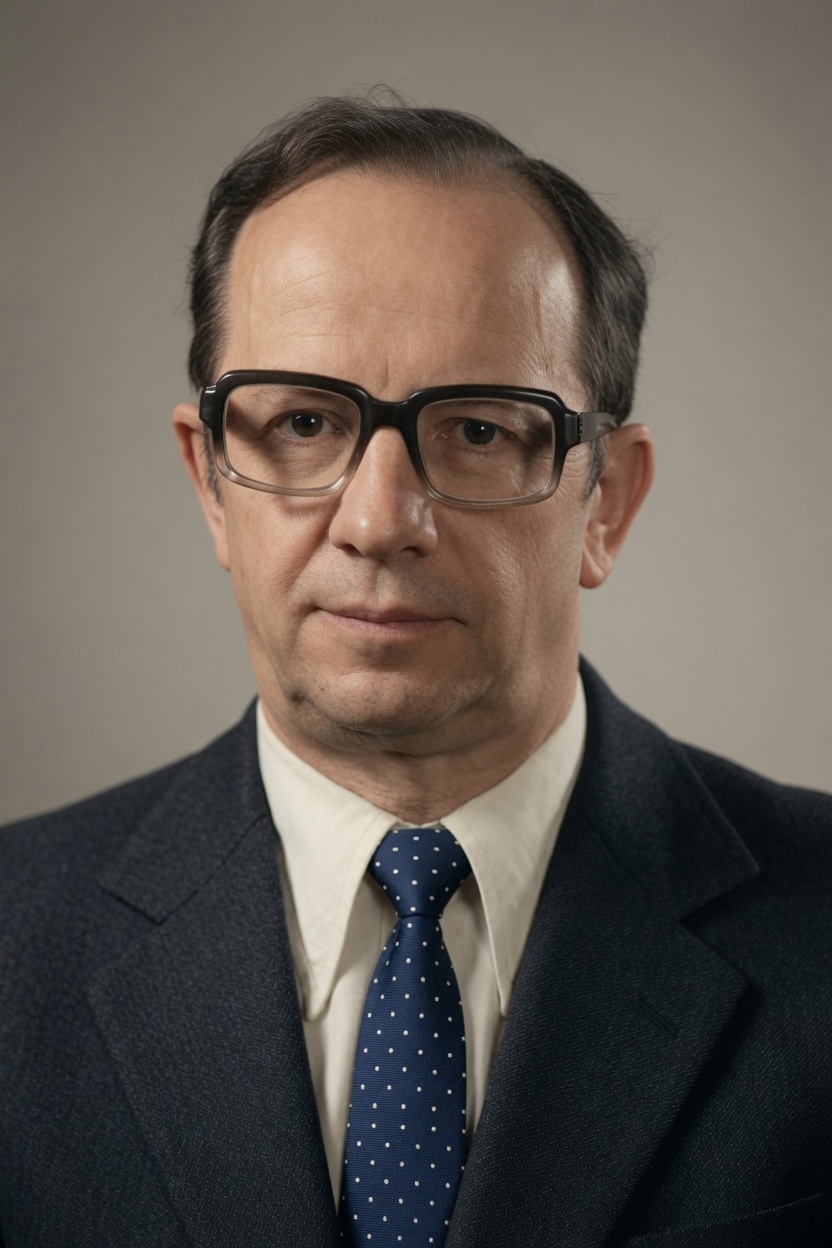
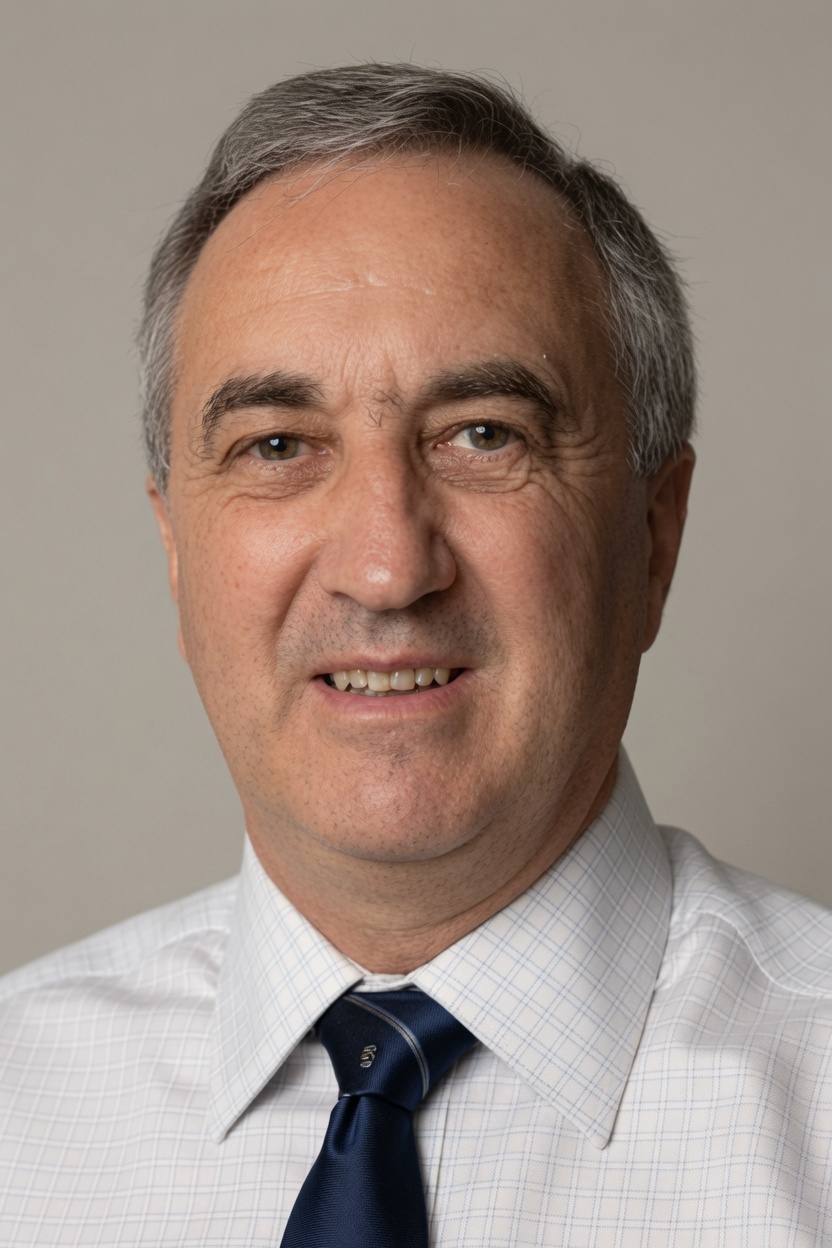
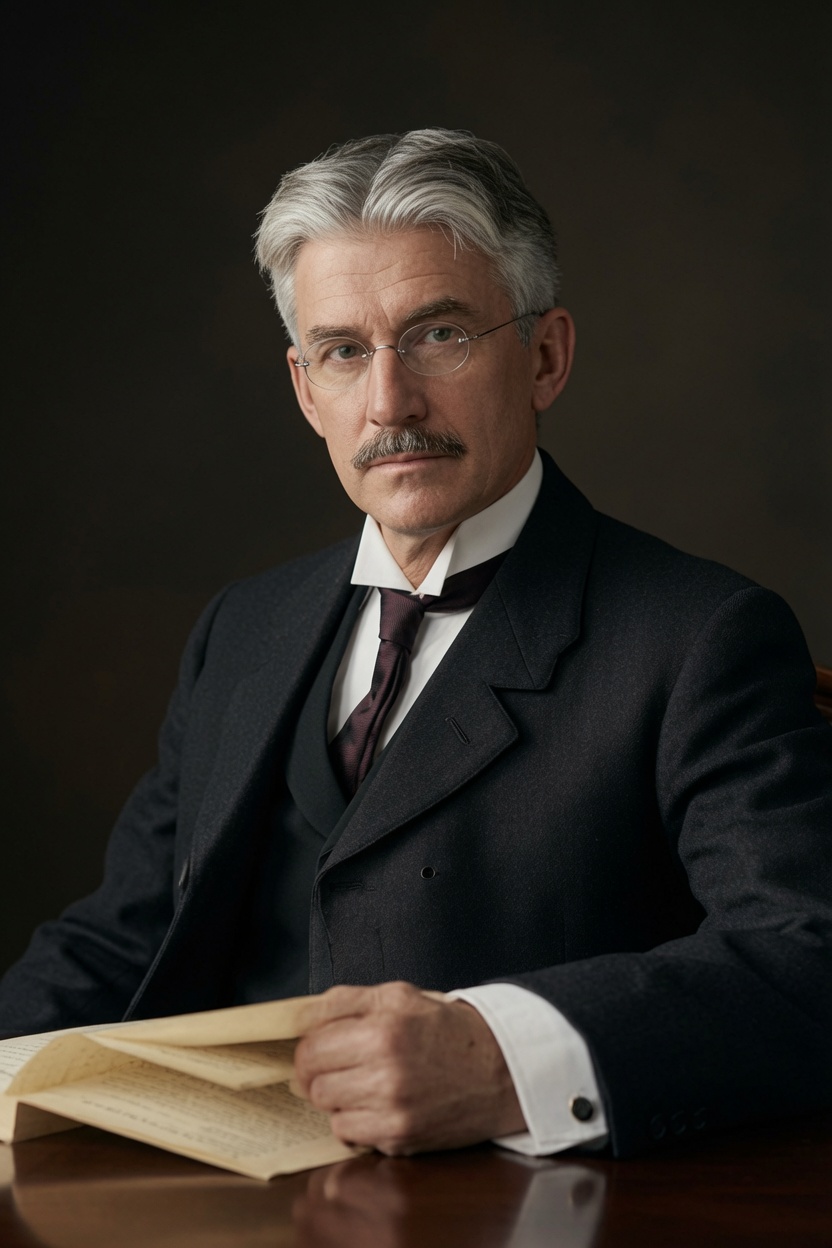
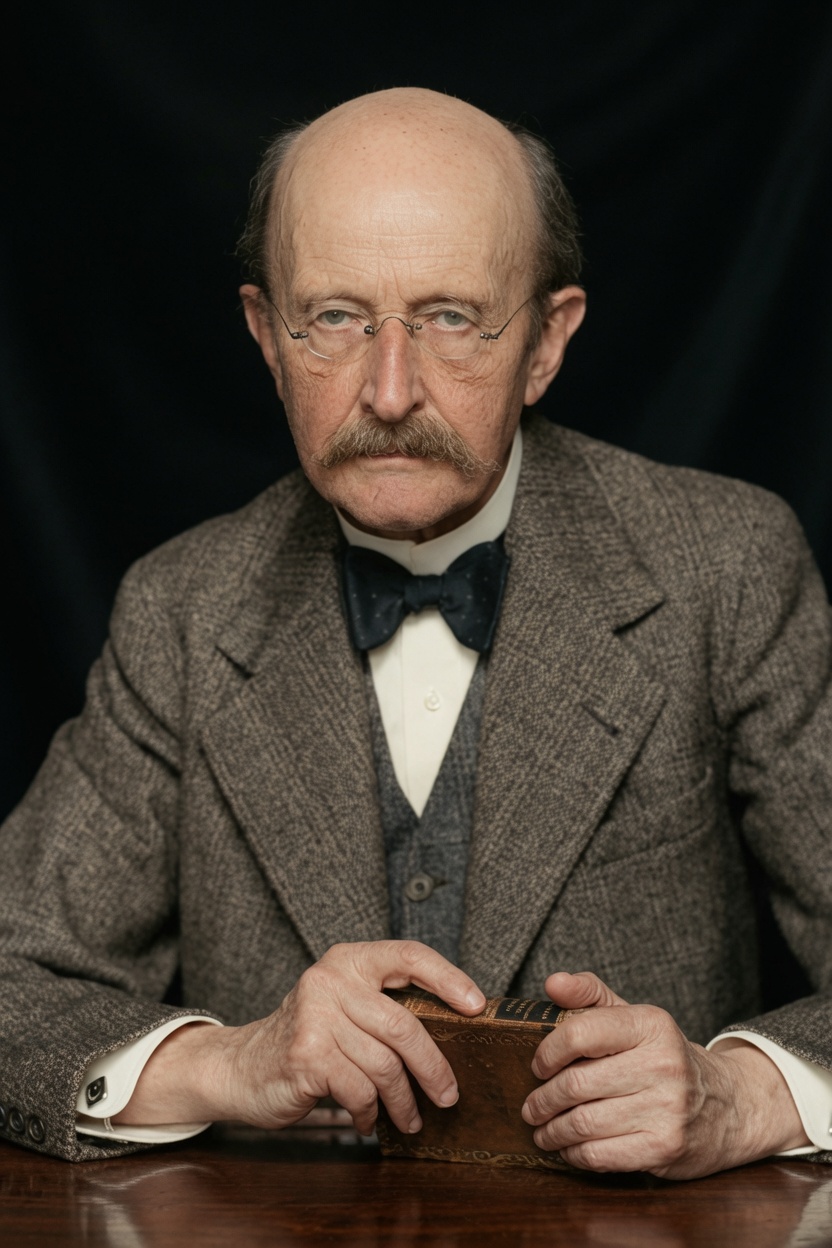
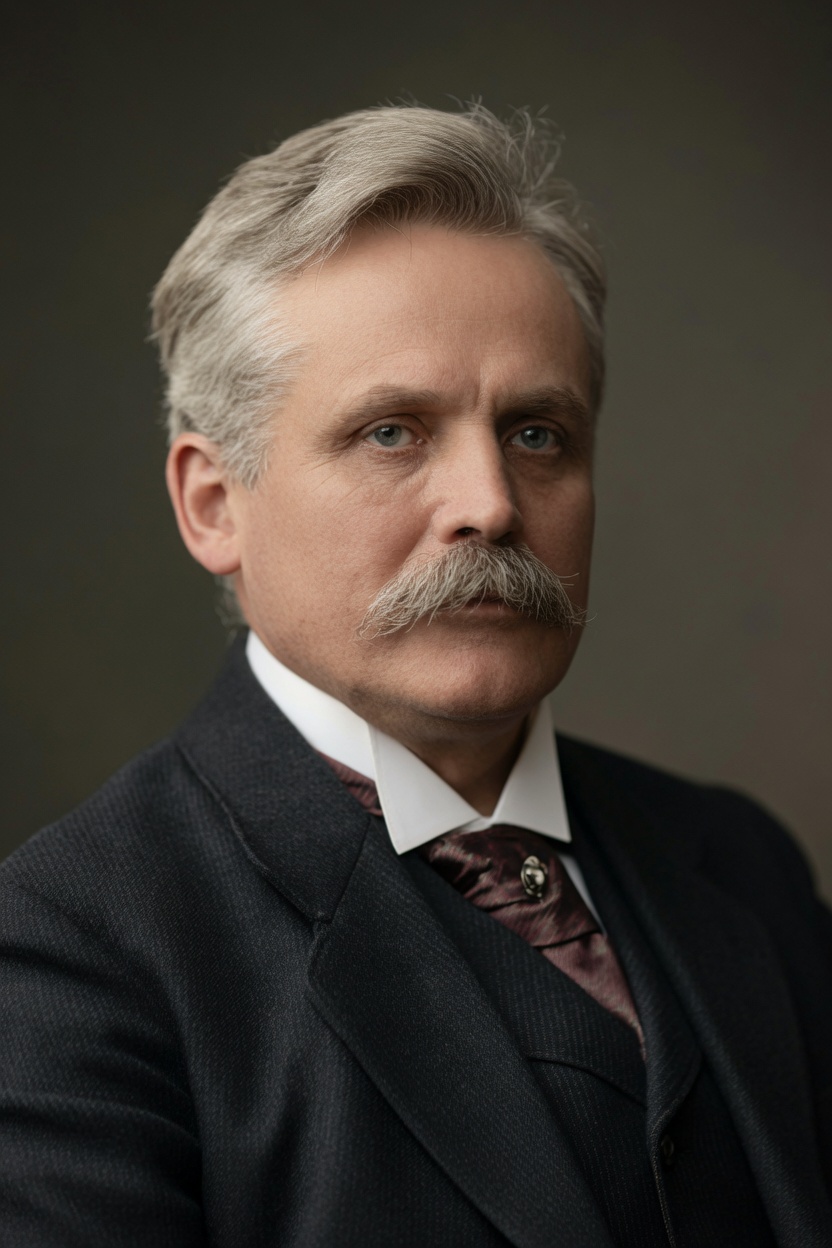
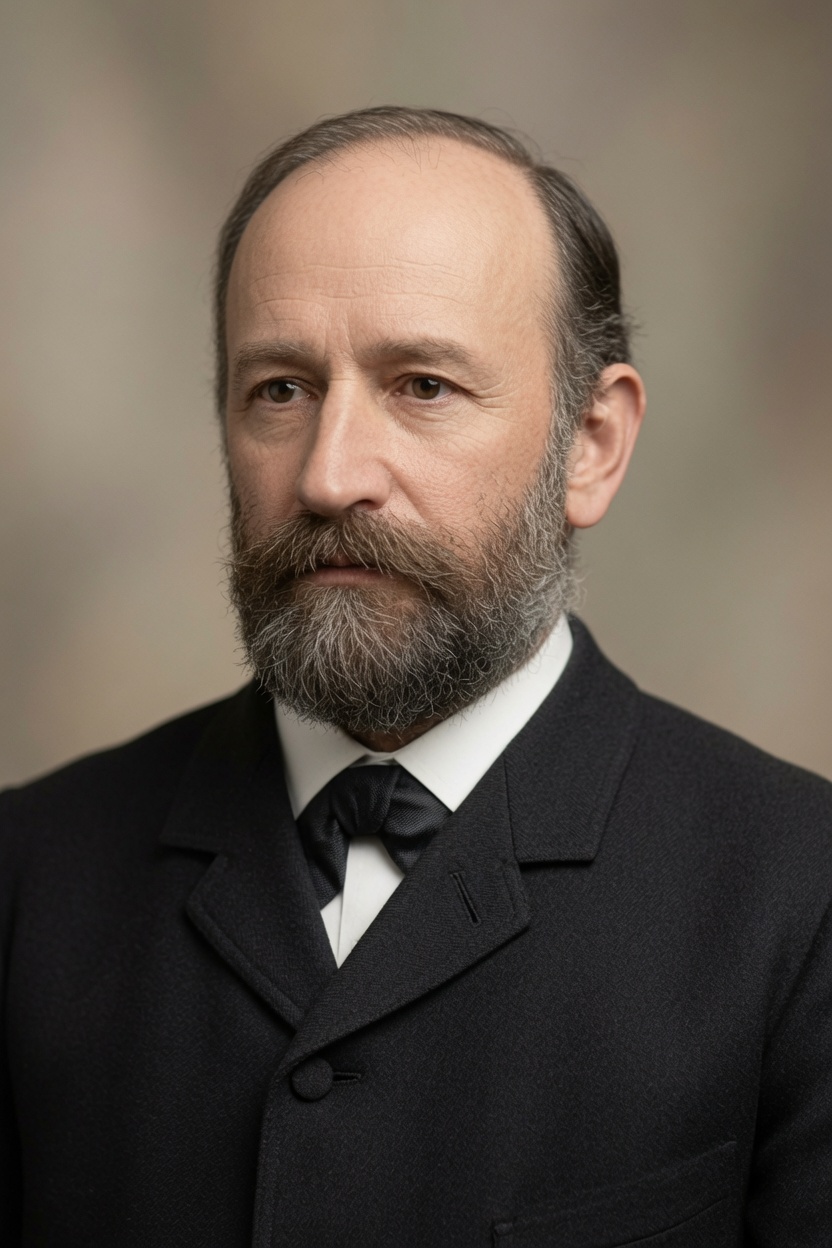
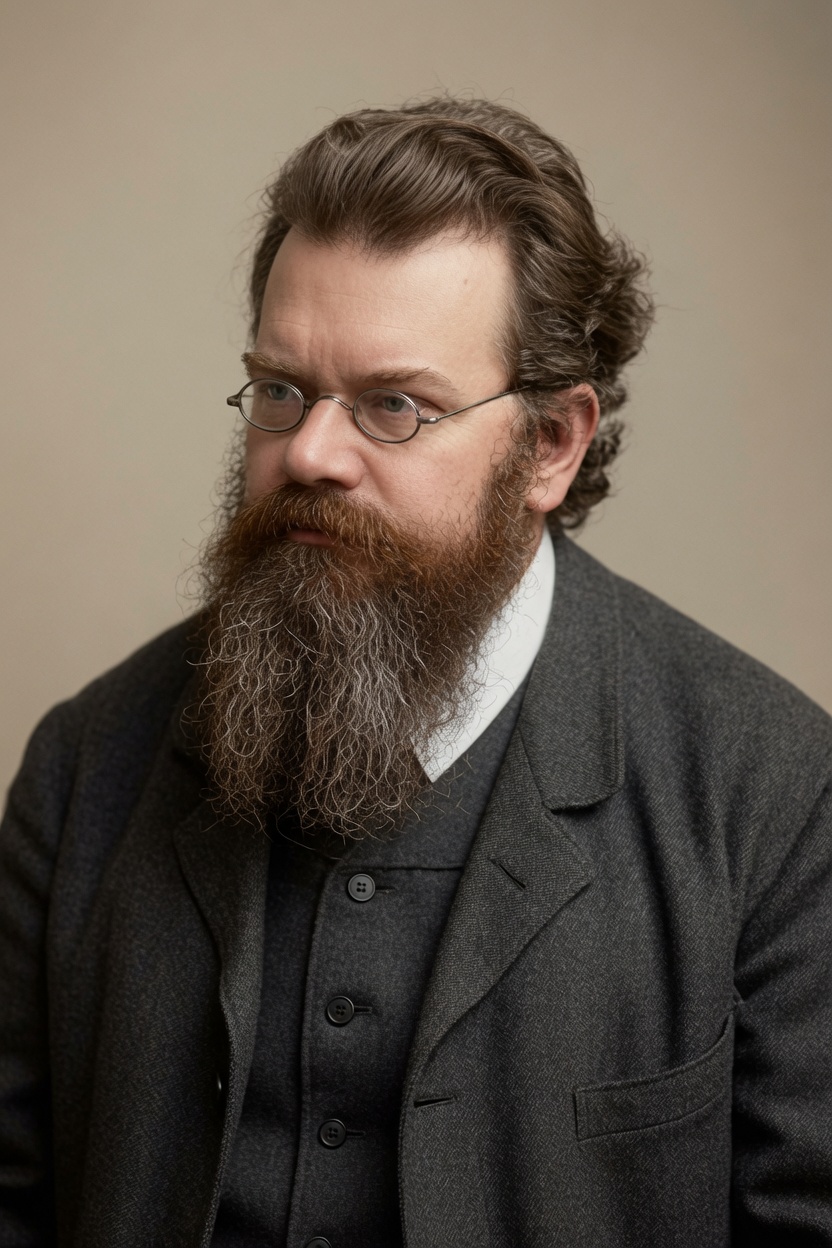
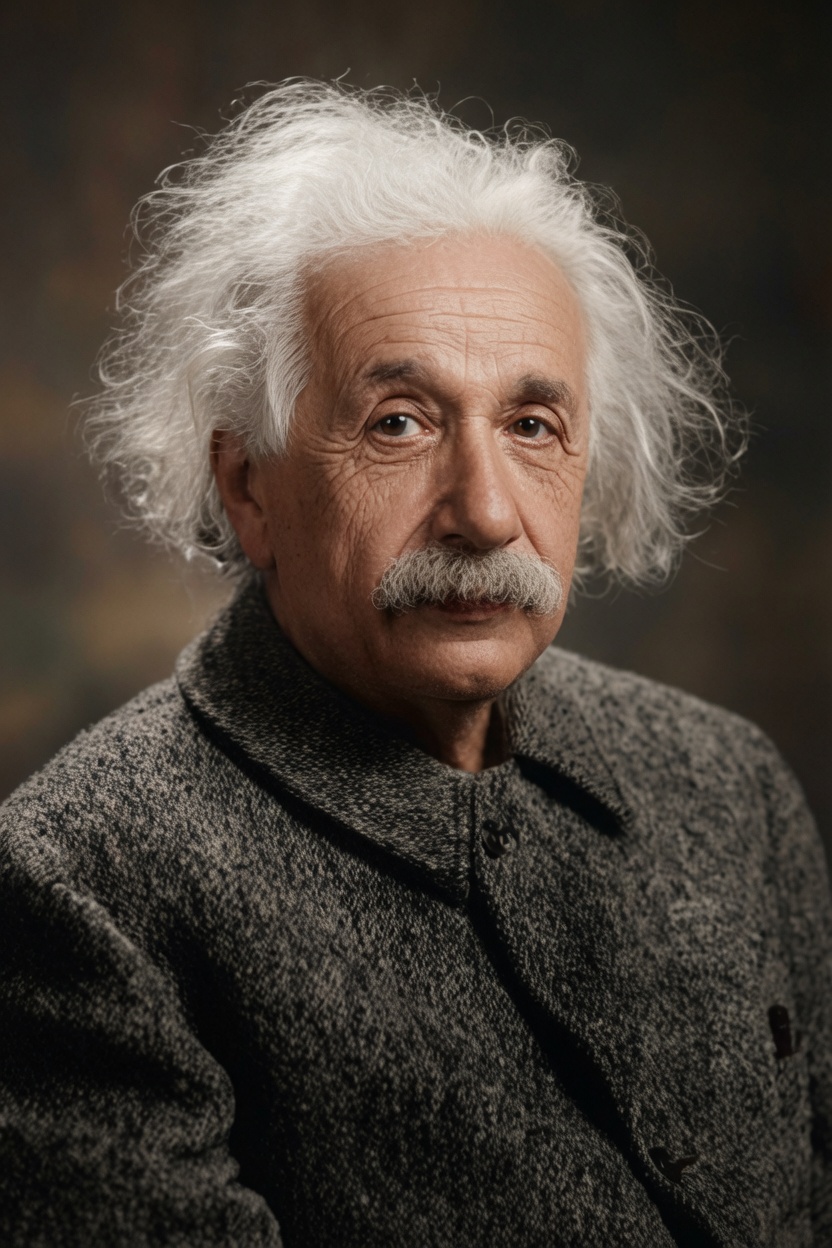
The names behind the numbers: trichromacy, the Standard Observer, discrimination ellipses, black-body white, color film, broadcast, LCD and plasma, DLP and OLED, and the blue LED. Profiles of the people our education modules already quote—so the math has faces.
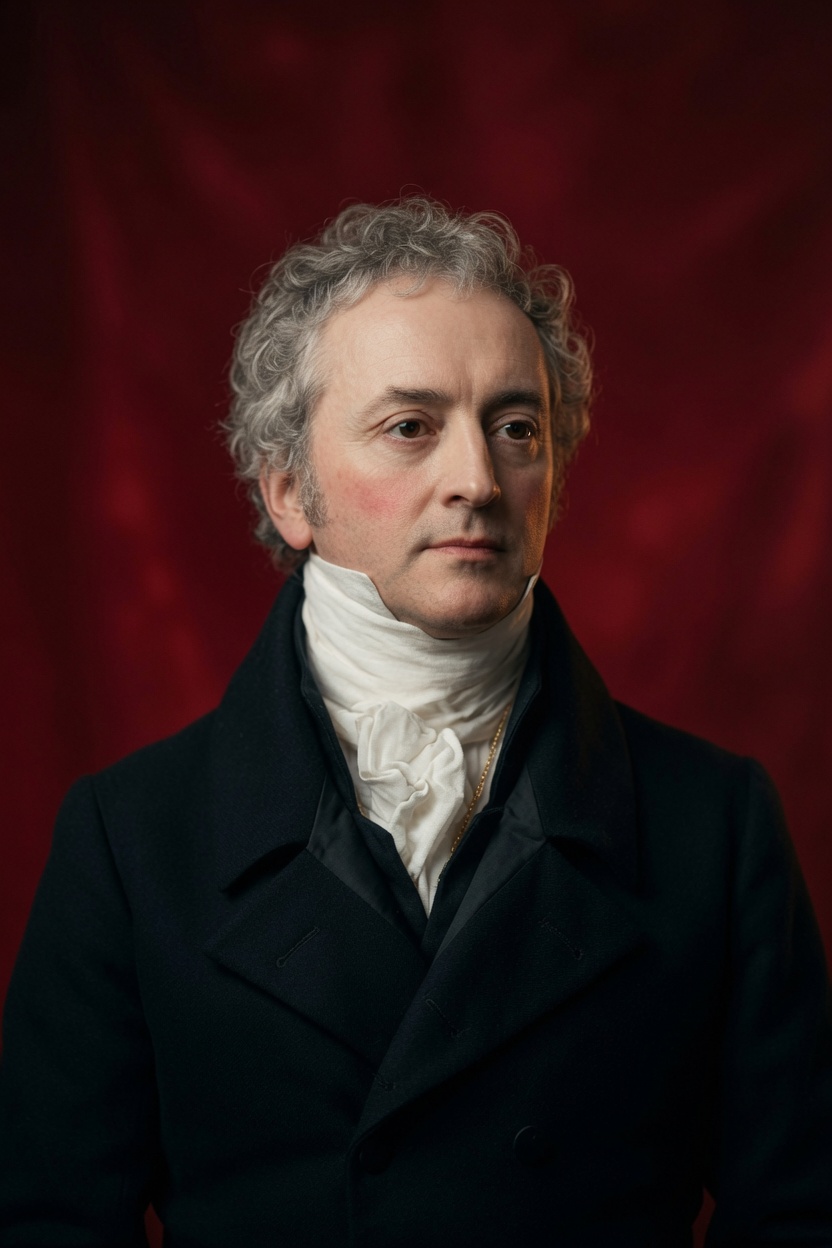
Dr. Thomas Young FRS
1773–1829 Physician, physicist, polymath; Fellow of the Royal Society
Foundations Vision
In 1802 Young argued that the retina does not need a receptor for every hue. Three broadly tuned receptor types, with overlapping spectral sensitivities, are enough to sample the spectrum. That single bet—color as three numbers—is the axiom under every camera, film stock, display, and the CIE Standard Observer.
Why it matters on set When a C-800, a probe, or a grade talks in RGB or XYZ, it is still cashing Young’s wager.
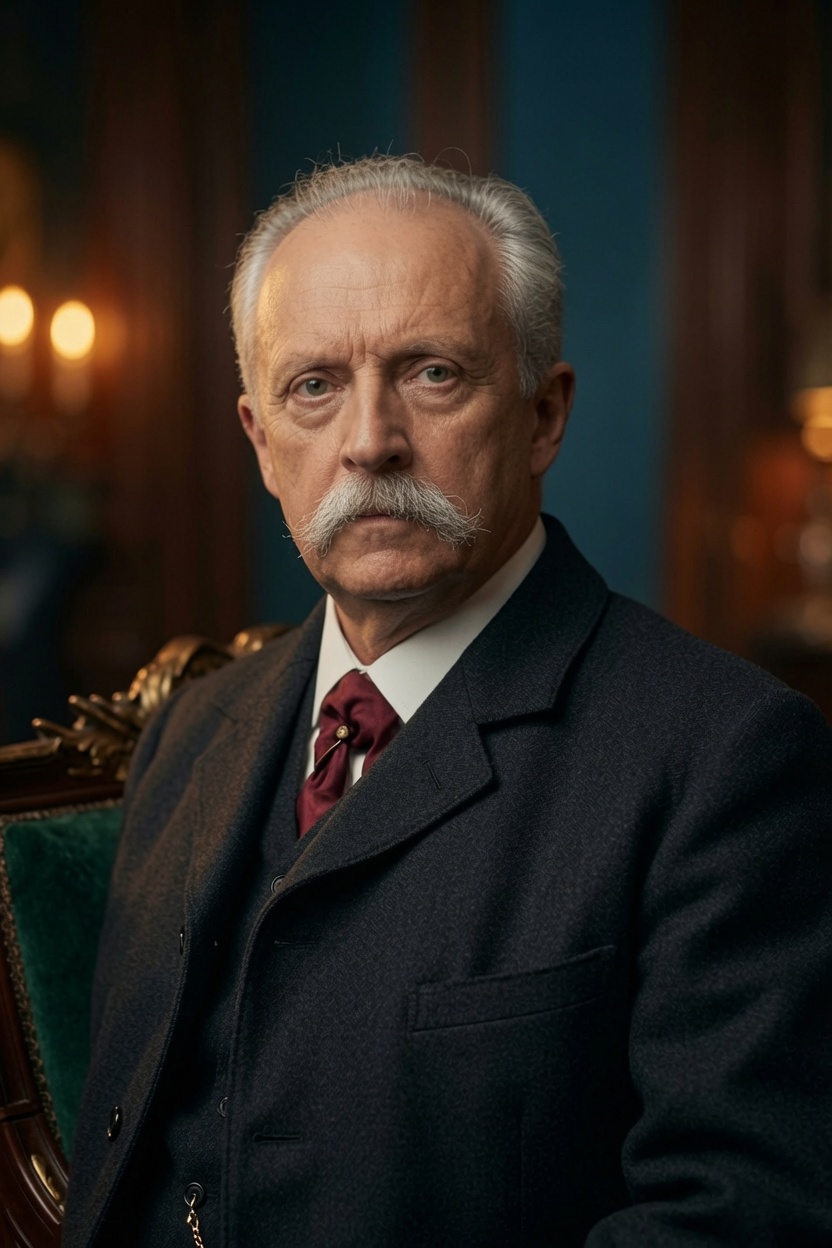
Prof. Dr. Hermann von Helmholtz
1821–1894 Physiologist and physicist (M.D.); Prussian Academy of Sciences
Foundations Vision
Helmholtz quantified Young’s trichromatic idea in the 1850s and fixed it in the scientific mainstream as the Young–Helmholtz theory. He treated color matching as measurable physics of the eye, not artistic opinion—the posture modern colorimetry still holds.
Why it matters on set Trichromacy becomes an engineering interface: three channels in, three out.
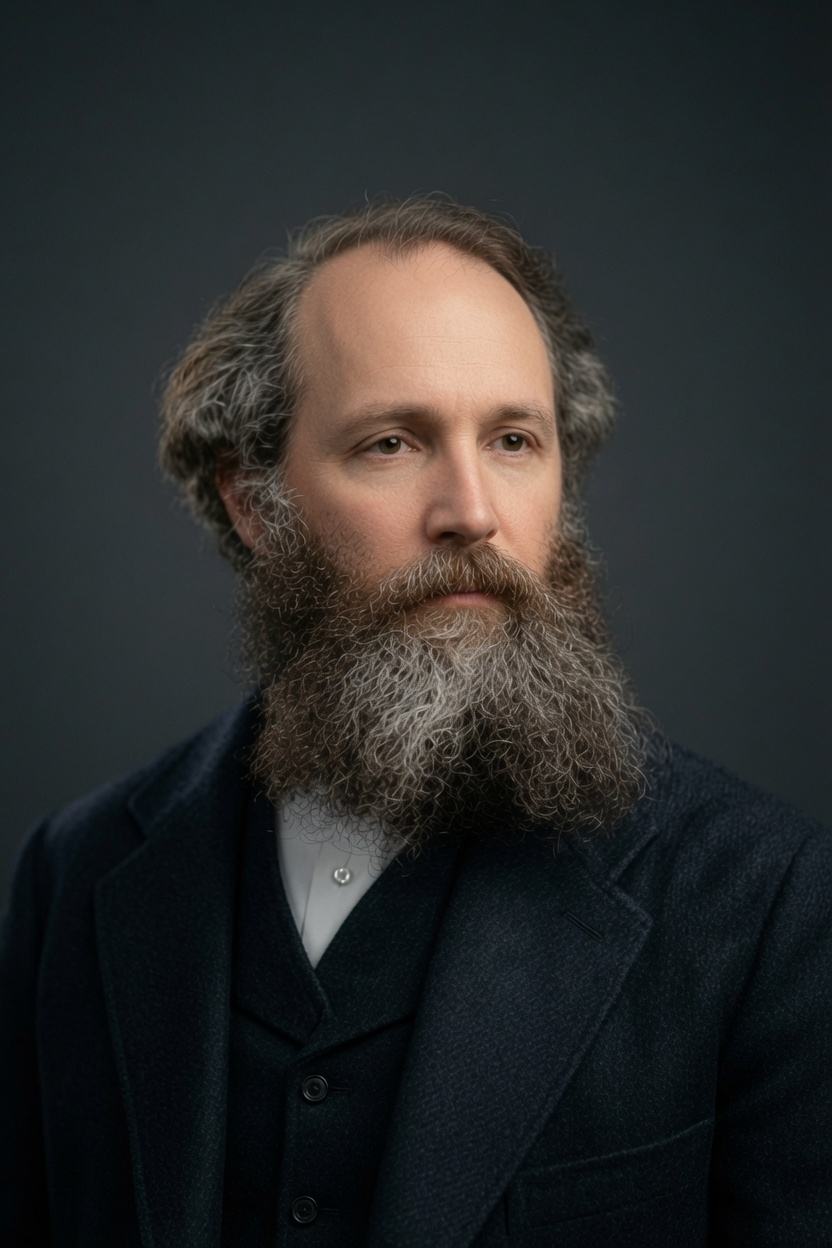
James Clerk Maxwell FRS FRSE
1831–1879 Physicist; first Cavendish Professor of Physics, Cambridge
Foundations Vision
In 1861 Maxwell had Thomas Sutton photograph a tartan ribbon through red, green, and blue filters, then projected the plates through matching filters. A color image formed: capture as three analyses, reproduction as three syntheses. The demonstration was luckier than it looked (the red plate was mostly UV), but the principle held.
Why it matters on set The conceptual blueprint of every three-chip camera, Bayer sensor, and RGB display.
Photographer and inventor
Foundations Photography
Sutton exposed Maxwell’s three separation plates. He also invented the single-lens reflex and published early photographic science. Without his craft, Maxwell’s proof of three-channel color would have stayed a blackboard argument.
Why it matters on set Hands-on proof that three records can carry a full color scene.
Hermann Grassmann
1809–1877 Mathematician and linguist
Foundations Vision
Grassmann’s laws of color mixture formalized how lights add: linearity, proportionality, and additivity. Those rules are why CIE XYZ and camera matrices can be written as linear algebra instead of folklore.
Why it matters on set Color becomes a vector space—the math behind every matrix and LUT chain.
Prof. Dr. Ewald Hering
1834–1918 Physiologist (M.D.); professor of physiology
Foundations Vision
Hering proposed opponent-process vision: red–green, blue–yellow, and black–white channels. Trichromacy describes the cones; opponent processing describes how the brain packages the signal. Modern color appearance models and many encoding spaces still echo that structure.
Why it matters on set Explains why some color differences feel “impossible” as simple RGB deltas.
Prof. Dr. Johannes von Kries
1853–1928 Physiologist (M.D.); professor of physiology
Foundations Vision
Von Kries gave chromatic adaptation a simple model: scale each cone channel independently when the illuminant changes. CRI’s old math still uses a von Kries-style transform; better appearance models refined it, but the idea—adapt, then compare—remains central.
Why it matters on set Why “white” moves when the light changes, and how metrics try to follow the eye.
Nicéphore Niépce
1765–1833 Inventor
Photography Photography
Niépce fixed the first permanent camera images (heliographs) at Le Gras. Monochrome, faint, and slow—but the recording problem was open. His partnership with Daguerre set the stage for photography as industry.
Why it matters on set Without a permanent record, there is no color imaging pipeline to measure.
Artist and inventor
Photography Photography
The daguerreotype made photography practical: sharp, mirror-like plates and a global craze within months of Arago’s 1839 announcement. Still monochrome—but a mass medium that demanded optical and chemical discipline.
Why it matters on set Imaging leaves the laboratory and becomes something the world expects to look “right.”
Physicist and statesman; Académie des Sciences
Photography Photography
Arago presented the daguerreotype to the Académie des Sciences and helped France buy the patent so the process could be “free to the world.” Science politics as open infrastructure.
Why it matters on set A reminder that standards and access shape what craft can scale.
Louis Ducos du Hauron
1837–1920 Inventor
Photography Photography
Du Hauron published systematic three-color photography methods in the 1860s—subtractive and additive paths that prefigure modern color film and print. Much of it was ahead of the chemistry of its day.
Why it matters on set Separations and synthesis as a deliberate system, not a one-off demo.
Prof. Dr. Hermann Wilhelm Vogel
1834–1898 Photochemist (Ph.D.); professor of photochemistry
Photography Photography
Silver halide is natively blind past blue. Vogel discovered dye sensitization that extended emulsions into green (orthochromatic) and opened the path to panchromatic film. Maxwell’s red plate problem finally had a chemical answer.
Why it matters on set Honest spectral capture—without it, “color fidelity” is theater.
Louis Le Prince
1841–1890? Inventor
Cinema Cinema
Le Prince recorded early motion pictures (including Roundhay Garden Scene) years before the Lumières’ public premiere—then vanished under still-disputed circumstances. Motion imaging begins as fragile experiment.
Why it matters on set Time joins space: the moving image inherits every still-color problem, at 24 fps.
Prof. Gabriel Lippmann
1845–1921 Physicist; Nobel Prize in Physics, 1908
Photography Photography
Lippmann’s interference color photography recorded standing waves in emulsion—true spectral color without dyes. Impractical as a mass medium, but a Nobel-winning proof that light itself can be archived as structure.
Why it matters on set Spectral truth vs dye convenience—the same tension LED spectra force on us today.
Auguste & Louis Lumière
1862–1954 / 1864–1948 Inventors and industrialists
Cinema Cinema
The Lumières commercialized cinema (1895) and later Autochrome (1907), a potato-starch mosaic screen that anticipated Bayer-pattern sampling by decades. Color and motion become public spectacle.
Why it matters on set Mosaic sampling is still how most cameras see color.
George Albert Smith
1864–1959 Filmmaker and inventor
Cinema Cinema
Smith’s Kinemacolor (with Charles Urban) was an early additive two-color cinema system—filters on camera and projector. Limited gamut, real ambition: natural color on screen for paying audiences.
Why it matters on set Commercial color cinema begins as a filter problem, not a file format.
Producer and impresario
Cinema Cinema
Urban backed and promoted Kinemacolor and early nonfiction film. He understood that color systems need distribution muscle, not only optics.
Why it matters on set Standards and markets decide which science leaves the lab.
Dr. Herbert T. Kalmus
1881–1963 Physicist (Ph.D., University of Zurich); Technicolor founder
Cinema Cinema
Kalmus drove Technicolor from two-strip experiments to three-strip Process 4—the look of classical Hollywood color. Engineering discipline married to studio control.
Why it matters on set Color as a managed process with specs, not a happy accident in the lab.
Color consultant; Technicolor Color Advisory Service
Cinema Cinema
Natalie Kalmus ran Technicolor’s Color Advisory Service: palettes, costumes, and sets approved under contract. Grading discipline before digital grading tools existed.
Why it matters on set Taste plus power—centralized color intent on set.
Musician and Kodak inventor
Photography Photography
With Leopold Godowsky Jr., Mannes created Kodachrome (1935)—a multilayer subtractive color film that made serious color photography practical for professionals and amateurs.
Why it matters on set Subtractive tripacks become the consumer and production norm.
Leopold Godowsky Jr.
1900–1983 Musician and Kodak inventor
Photography Photography
Godowsky co-invented Kodachrome with Mannes. Complex processing, extraordinary dye stability for its era—color film as industrial chemistry.
Why it matters on set Proof that hard pipelines can still serve mass craft.
John Logie Baird
1888–1946 Inventor
Television Television
Baird demonstrated mechanical television in 1926 and early color TV systems soon after. Crude by later standards, but live remote images—and color ones—entered the public imagination.
Why it matters on set Television inherits colorimetry under time and bandwidth pressure.
Philo T. Farnsworth
1906–1971 Inventor
Television Television
Farnsworth demonstrated an all-electronic television system in 1927. Scanning disks give way to electron beams; the modern video pipeline begins.
Why it matters on set Electronic imaging is what probes, scopes, and HDR eventually measure.
Electrical engineer; Telefunken; inventor of PAL
Television Television
Bruch led the development of PAL, the color TV system adopted across much of Europe—phase-alternating color that traded complexity for robustness on long cable plants.
Why it matters on set Broadcast color standards as engineering compromises you still feel in legacy chains.
Henri de France
1911–1986 Engineer; inventor of SECAM
Television Television
De France developed SECAM, France’s sequential color system—another answer to the same problem PAL and NTSC solved differently: stable color under real transmission conditions.
Why it matters on set Same science, different national engineering cultures.
Dr. George H. Heilmeier
1936–2014 Engineer (Ph.D., Princeton); RCA Laboratories
Displays Displays
Heilmeier’s group at RCA demonstrated practical liquid-crystal displays in the 1960s—the start of the flat-panel age that would eventually host wide-gamut LED-backlit color.
Why it matters on set The panel becomes a programmable color volume, not a CRT glass bottle.
Prof. Donald L. Bitzer
1934– Engineer (Ph.D., Illinois); professor of electrical engineering
Displays Displays
With Gene Slottow, Bitzer co-invented the plasma display for the PLATO education system—emissive flat color decades before consumer plasma TVs.
Why it matters on set Emissive pixels as a design path that LED walls later industrialize.
Prof. H. Gene Slottow
1921–1989 Engineer (Ph.D., Illinois); professor of electrical engineering
Displays Displays
Slottow co-developed plasma display technology with Bitzer at the University of Illinois—addressable glowing cells as a teaching and then consumer medium.
Why it matters on set Matrix emissive arrays prefigure modern modular LED walls.
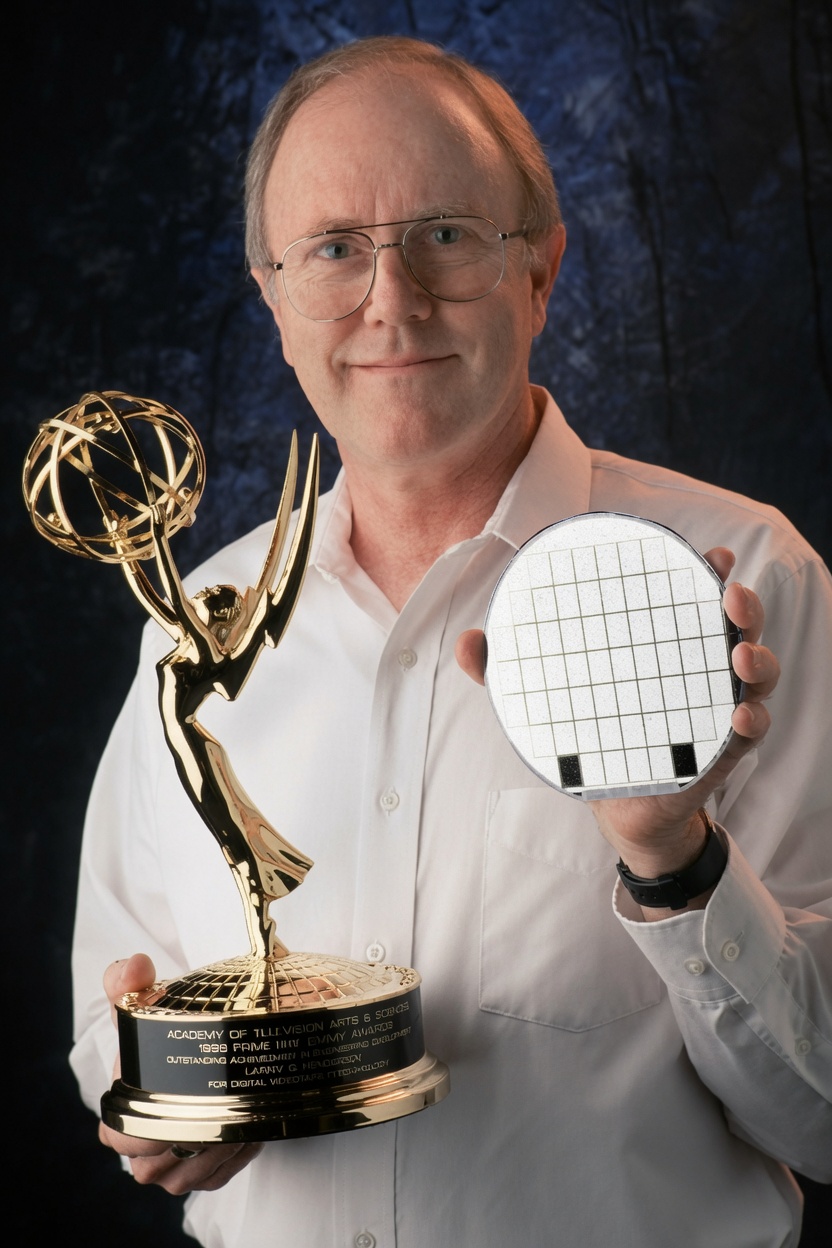
Dr. Larry J. Hornbeck
1943– Physicist (Ph.D., Case Western Reserve); Texas Instruments Fellow; DMD / DLP
Displays Displays
At Texas Instruments, Hornbeck invented the Digital Micromirror Device (1987): an array of hinged microscopic mirrors that flip on and off to modulate light. That MEMS chip became DLP projection—from pico projectors to DLP Cinema, the first digital feature presentations to paying audiences in 1999.
Why it matters on set Digital cinema color as a file through a calibrated projector (DCI P3), not a dye recipe on release print.
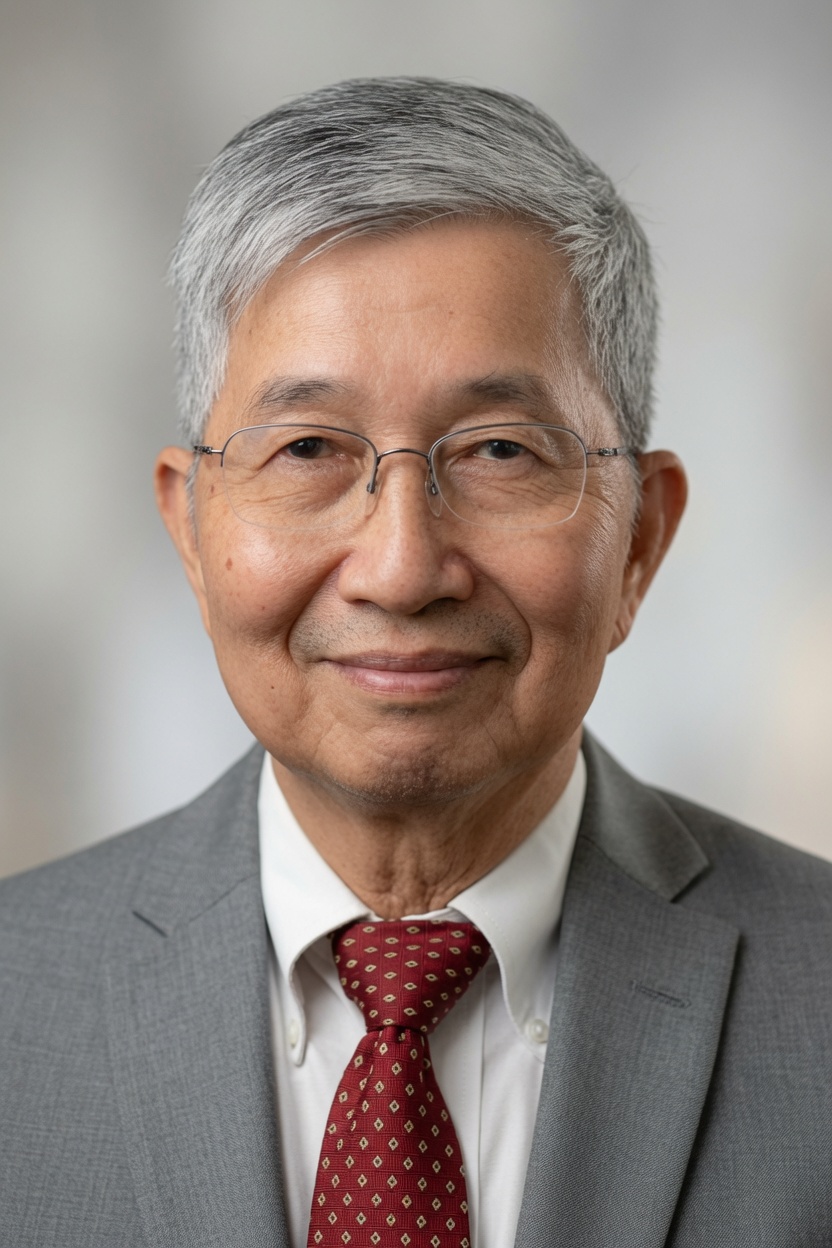
Prof. Ching W. Tang
1947– Physical chemist (Ph.D., Cornell); Eastman Kodak; University of Rochester / HKUST
Displays Displays
With Steven Van Slyke at Kodak, Tang developed the practical multilayer organic light-emitting diode (OLED) that became the foundation of modern organic display electronics. Self-emissive organic layers—no backlight, true black—reshaped phones, monitors, and reference-capable HDR panels.
Why it matters on set Why OLED black is a different calibration problem than LCD: Lb → 0 changes the EOTF and the probe’s job.
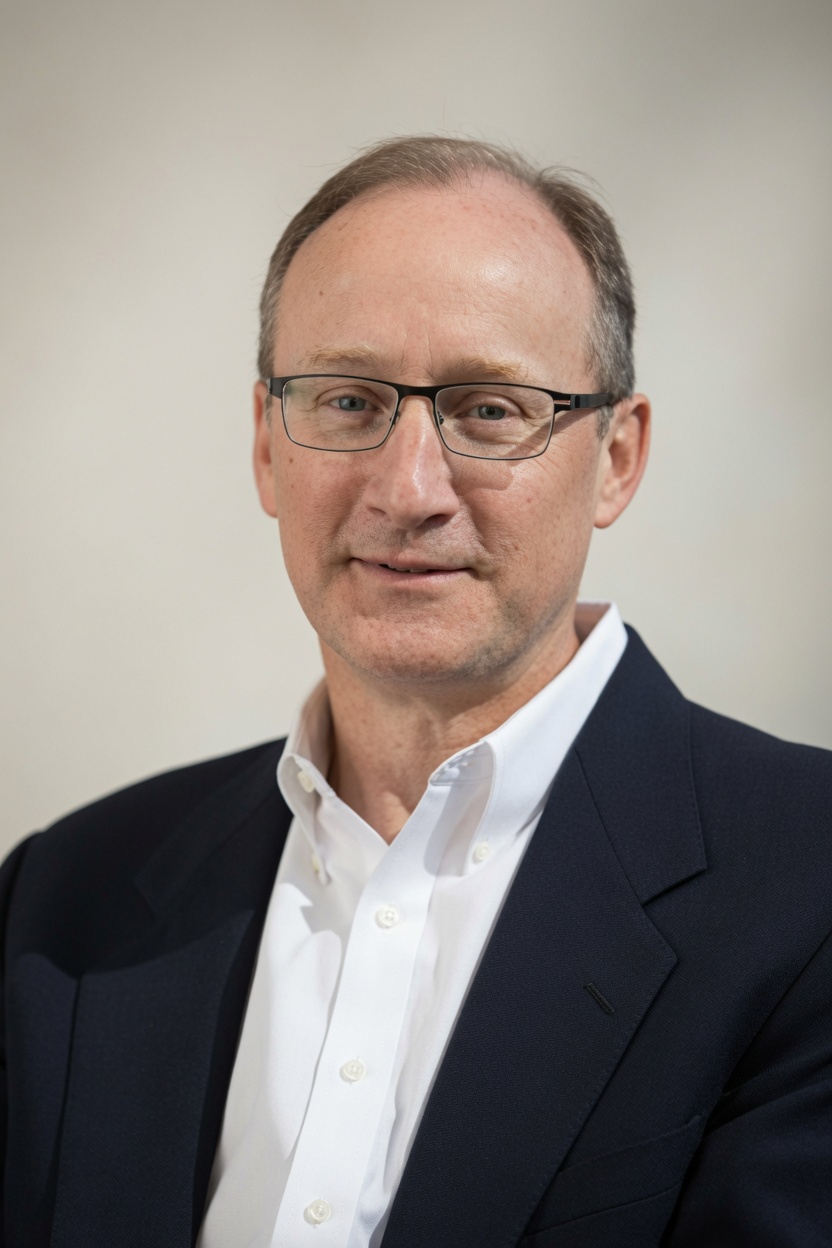
Chemist / materials scientist (M.S., RIT); Eastman Kodak; OLED co-inventor
Displays Displays
Van Slyke co-invented practical OLED structures with Ching W. Tang at Kodak Research Laboratories—materials choices and thin-film device architecture that turned organic electroluminescence into manufacturable displays. He later advanced large-area OLED manufacturing technology beyond the lab demo.
Why it matters on set Self-emissive RGB (or WRGB) stacks: the hardware under phone, TV, and production-monitor OLEDs you measure every day.
Prof. W. David Wright
1906–1997 Physicist (Ph.D., Imperial College); professor of technical optics
Colorimetry Colorimetry
Wright measured color-matching functions with human observers in a 2° bipartite field. His data, fused with Guild’s, became the backbone of the CIE 1931 Standard Observer—the map every probe still reports against.
Why it matters on set Without Wright’s matches, there is no XYZ, no chromaticity diagram, no “in gamut.”
Physicist; National Physical Laboratory (NPL)
Colorimetry Colorimetry
Guild independently measured color-matching functions at the National Physical Laboratory. CIE 1931 averaged and recast Wright and Guild so primaries never required negative amounts—imaginary XYZ was born.
Why it matters on set Independent replication is why the Standard Observer stuck.
Dr. Deane B. Judd
1900–1972 Color scientist (Ph.D., Cornell); National Bureau of Standards
Colorimetry Colorimetry
Judd shaped twentieth-century applied colorimetry: daylight illuminants, uniform chromaticity work, and practical standards bridging lab psychophysics to industry. His fingerprints are on how “daylight white” entered engineering.
Why it matters on set D-series thinking and practical white-point practice.
Dr. David L. MacAdam
1910–1998 Physicist (Ph.D., MIT); Kodak Research Laboratories
Colorimetry Colorimetry
In 1942 MacAdam measured just-noticeable chromaticity differences: matches scatter in ellipses, not circles, and size varies ~20:1 across the diagram. Those ellipses still live as SDCM in LED binning and as the ancestry of ΔE formulas.
Why it matters on set “How far is visible?” becomes a number you can put in a spec.
Perley G. Nutting Jr. (“PGN”)
active 1940s Observer in MacAdam’s experiment
Colorimetry Colorimetry
PGN made tens of thousands of color matches in MacAdam’s split-field instrument. One observer, one luminance, one field size—yet the ellipse geometry has held for eighty years of later multi-observer work.
Why it matters on set A reminder that “the standard eye” was once a real person in a lab.
Dr. Günter Wyszecki
1925–1985 Color scientist (Dr.-Ing.); NRC Canada; CIE President
Colorimetry Colorimetry
Wyszecki (often with Stiles) co-authored the definitive mid-century handbooks of color science and extended discrimination work toward three-dimensional color difference. Theory and tables that industry still cites.
Why it matters on set The bridge from MacAdam ellipses to modern color-difference practice.
Dr. Alan R. Robertson
20th century Color scientist (Ph.D., University of London); NRC Canada
Colorimetry Colorimetry
Robertson’s practical methods for computing correlated color temperature from chromaticity became workhorse engineering—how “nearest Planckian” becomes a number on a meter and a report.
Why it matters on set CCT on a C-800 or probe rests on this kind of computational practice.
Albert H. Munsell
1858–1918 Artist and educator; Munsell Color System
Colorimetry Colorimetry
Munsell built an ordered atlas of surface colors—hue, value, chroma—as a teaching and industrial language. CRI’s classic samples are pastel Munsell chips; the atlas trained generations to talk color without only wavelength talk.
Why it matters on set Physical samples as the moral center of “rendering” metrics.
Prof. Dr. Max Planck
1858–1947 Physicist; Nobel Prize in Physics, 1918
Radiation physics Physics
In 1900 Planck fit black-body spectra with quantized energy exchange—an “act of desperation” that founded quantum theory. The spectral shape of heated matter became computable; the Planckian locus on the CIE diagram is that physics run through a standard observer.
Why it matters on set Every CCT dial is a walk along Planck’s radiation curve.
Prof. Dr. Wilhelm Wien
1864–1928 Physicist; Nobel Prize in Physics, 1911
Radiation physics Physics
Wien’s displacement law (λ_max T ≈ constant) says a hotter black body peaks bluer. The moving peak on a Planckian SPD plot is Wien made visible.
Why it matters on set Warm vs cool white as spectral peak position, not vibes.
Prof. Dr. Josef Stefan
1835–1893 Physicist; professor, University of Vienna
Radiation physics Physics
Stefan established that total radiated power scales as T⁴—later derived with Boltzmann. Color work cares more about spectral shape than total watts, but the T⁴ law is the energetic twin of the Planck curve.
Why it matters on set Temperature is power as well as chromaticity.
Prof. Dr. Ludwig Boltzmann
1844–1906 Physicist; statistical mechanics
Radiation physics Physics
Boltzmann put statistical mechanics under Stefan’s T⁴ law and much of thermal radiation theory. The modern constant k_B carries his name; the black-body story is incomplete without him.
Why it matters on set Microscopic physics behind the macroscopic white point.
Prof. Albert Einstein
1879–1955 Physicist; Nobel Prize in Physics, 1921
Radiation physics Physics
Einstein’s 1905 light-quantum (photon) paper took Planck’s packets seriously as real particles of light. Quantum optics and every later solid-state light source sit downstream.
Why it matters on set LEDs are quantum devices; Einstein helped make that thinkable.
Prof. Niels Bohr
1885–1962 Physicist; Nobel Prize in Physics, 1922
Radiation physics Physics
Bohr’s atom quantized electron orbits and explained spectral lines—another child of Planck’s quantum. Discharge lamps and line spectra in HMI/fluorescent sources are atomic physics on a stage.
Why it matters on set Why some “white” lights are full of spikes, not continua.
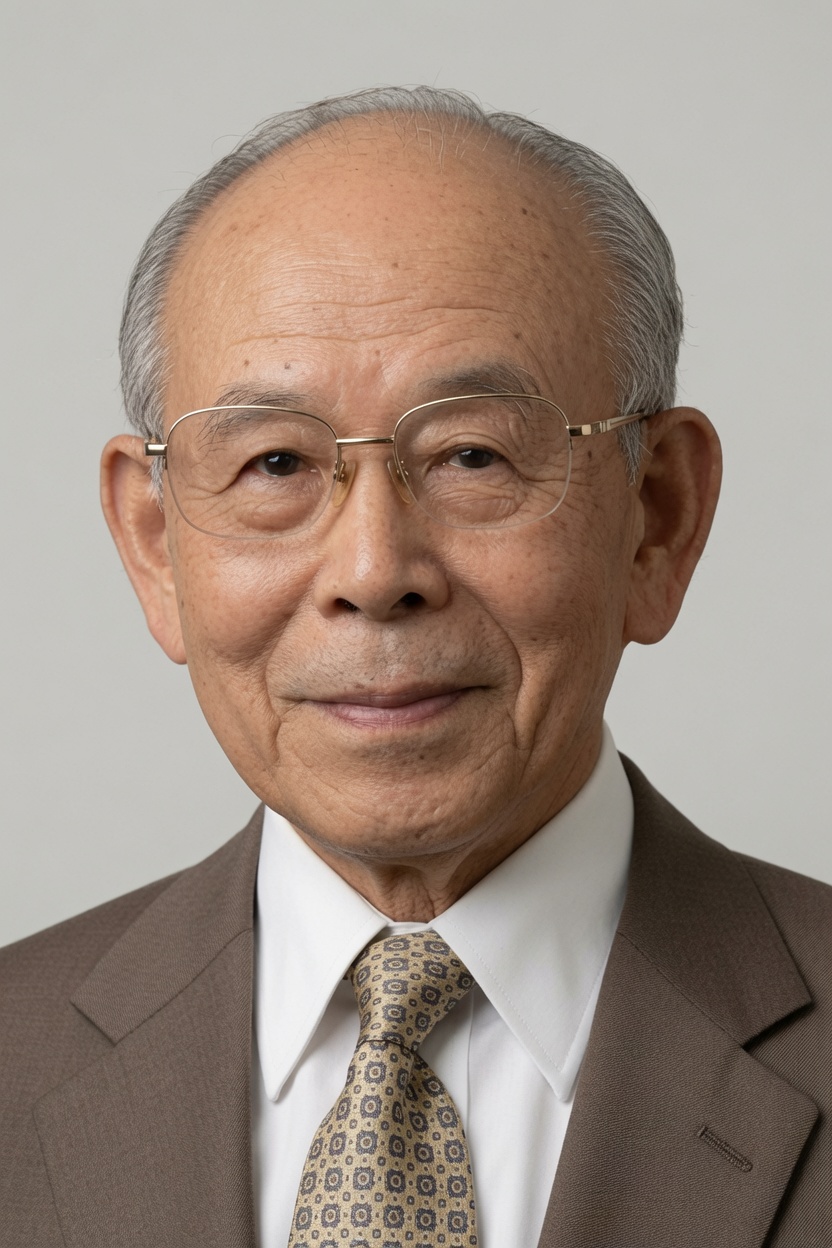
Prof. Isamu Akasaki
1929–2021 Materials scientist; Nobel Prize in Physics, 2014
Modern LEDs LEDs
Akasaki’s crystal-growth breakthroughs on gallium nitride made high-quality blue LEDs possible. Without that materials science, white LED lighting and full RGB solid-state displays stall in the lab.
Why it matters on set The substrate of the LED lighting world your C-800 polices.
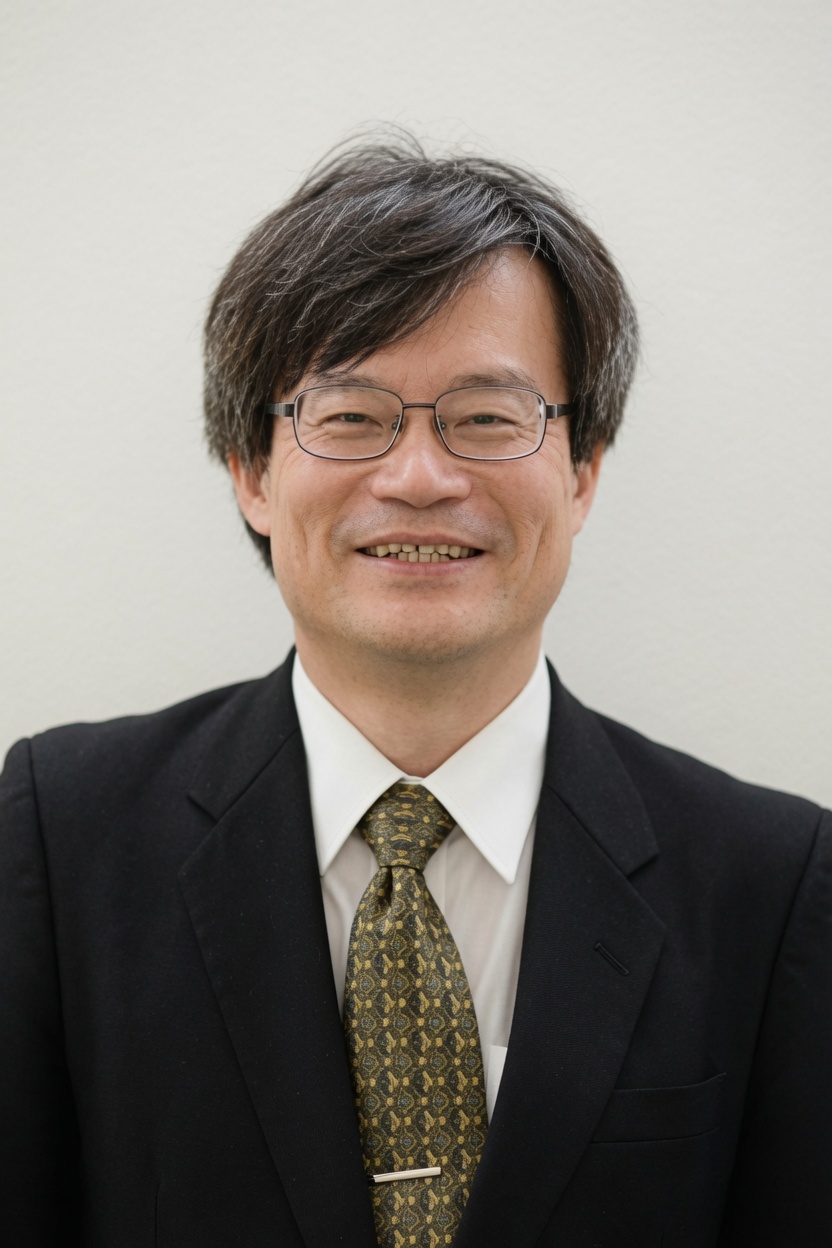
Prof. Hiroshi Amano
1960– Materials scientist; Nobel Prize in Physics, 2014
Modern LEDs LEDs
Amano worked with Akasaki on GaN growth techniques essential to bright blue LEDs. Shared the 2014 Nobel Prize in Physics with Akasaki and Nakamura.
Why it matters on set Materials first—devices second.
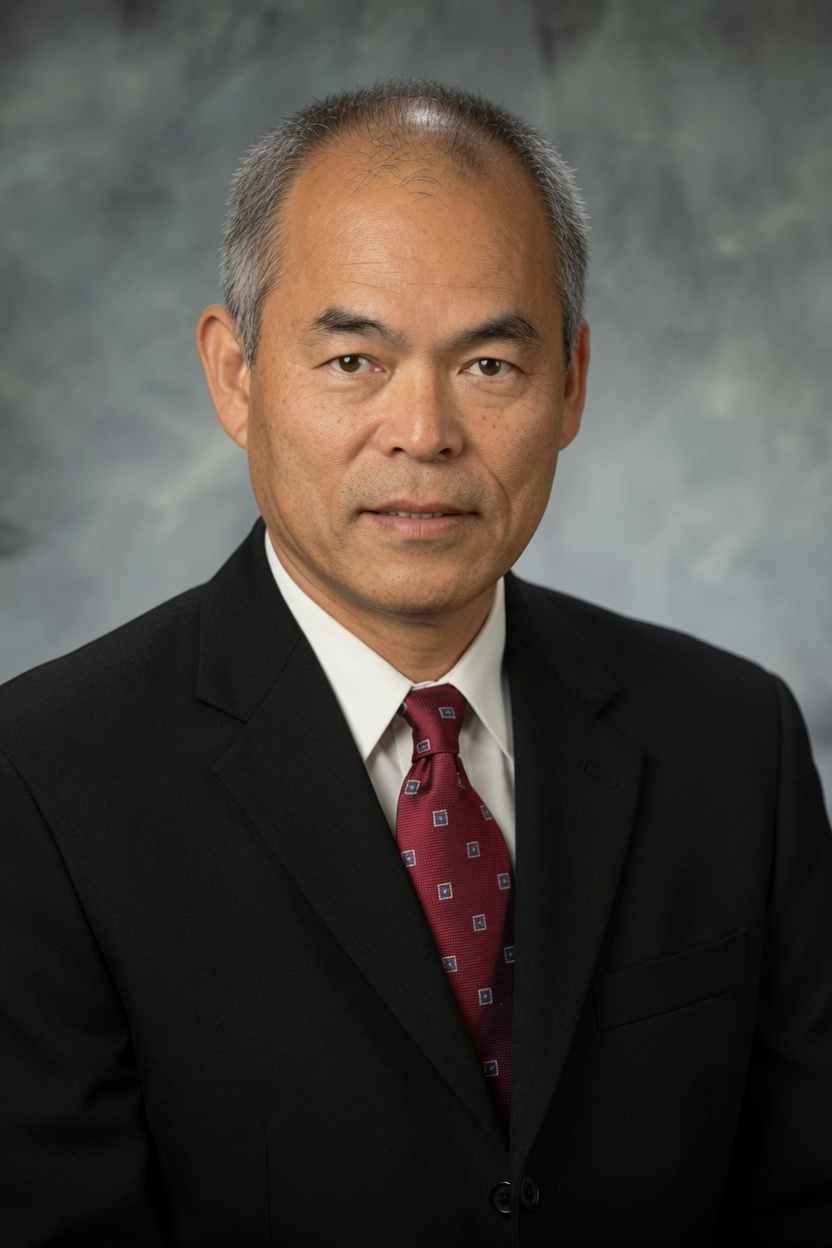
Prof. Shuji Nakamura
1954– Engineer; Nobel Prize in Physics, 2014
Modern LEDs LEDs
At Nichia, Nakamura perfected a practical high-brightness blue GaN LED—the missing primary for white LED (blue pump + phosphor) and full RGB solid-state light. Nobel Prize in Physics 2014 with Akasaki and Amano.
Why it matters on set The reason “high CRI LED” and spiky SPDs dominate every light-quality conversation.
Dr. Yoshi Ohno
contemporary Physicist (Ph.D., Kyoto); NIST Fellow
Modern LEDs Colorimetry
Ohno’s work on LED colorimetry, white-point practice, and practical metrology (including methods discussed around display probe correction such as four-color matrix ideas in industry practice) shapes how labs and field kits talk about LED white and measurement error.
Why it matters on set Modern LED standards and field probe discipline in one career.